
Climate communication for impact
Bridging Science and Journalism for Climate Action
Media for Future is a collaborative initiative that connects scientists and journalists to strengthen climate communication, raise public awareness, and inspire meaningful action. In the face of the climate crisis, accurate and compelling journalism is essential to inform diverse audiences and drive change. By fostering collaboration between the scientific community and the media, we aim to bridge the gap between complex research and accessible, impactful reporting.
At the heart of the initiative is a dynamic community of practice, where journalists and scientists can exchange knowledge, share best practices, and build lasting professional connections. We offer specialized training in climate journalism, equipping media professionals with the skills to cover climate-related topics effectively. Additionally, journalists gain access to comprehensive background resources, providing them with up-to-date, science-based information on key climate issues. A curated expert database further supports journalists by connecting them with leading scientists, ensuring accurate and insightful reporting on climate matters.
Participate
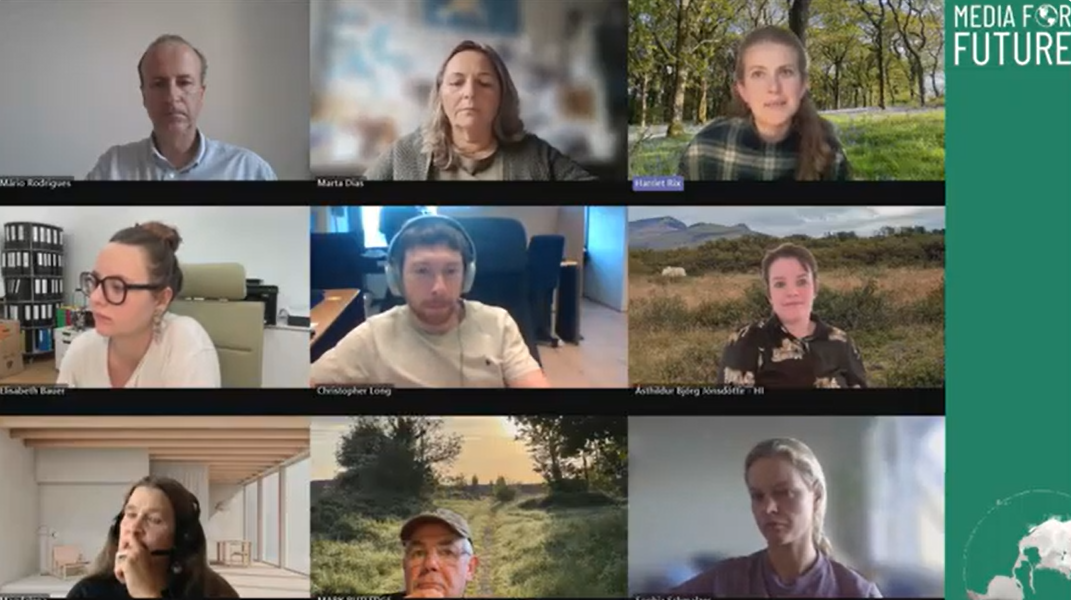
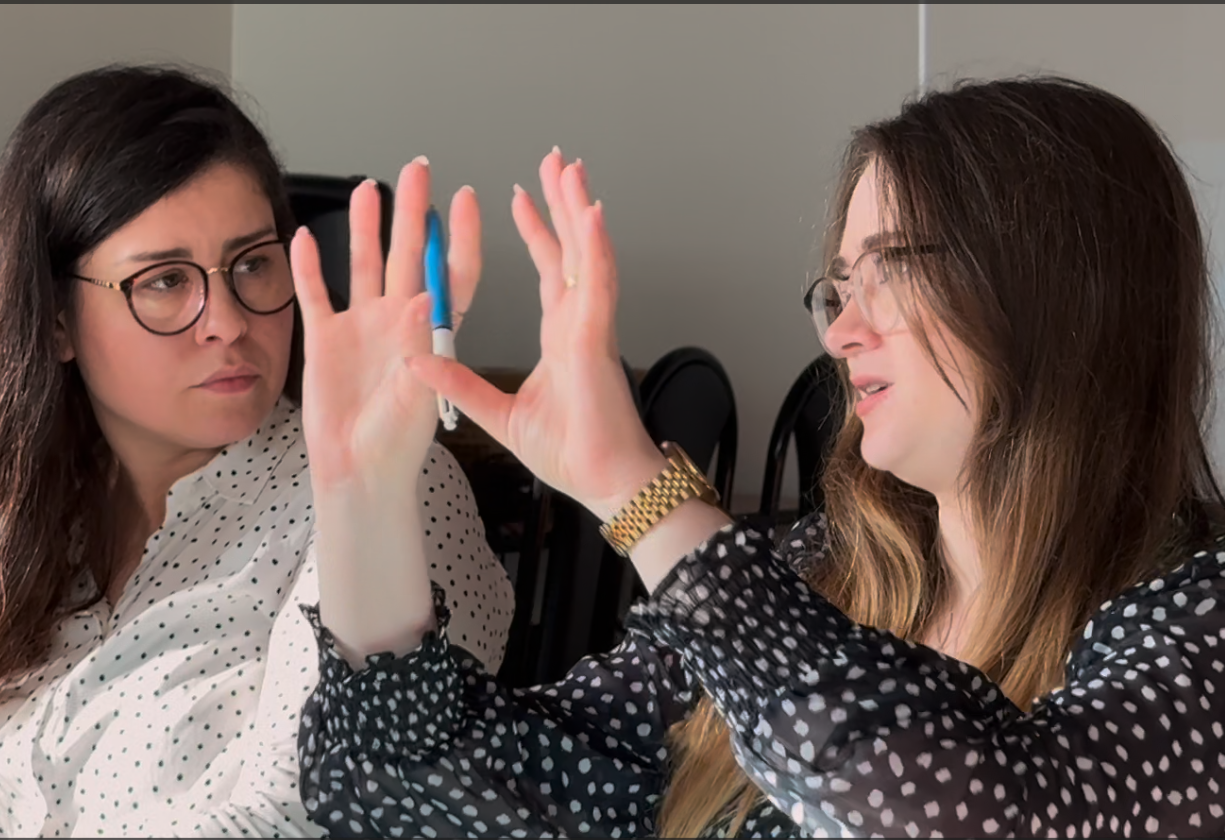
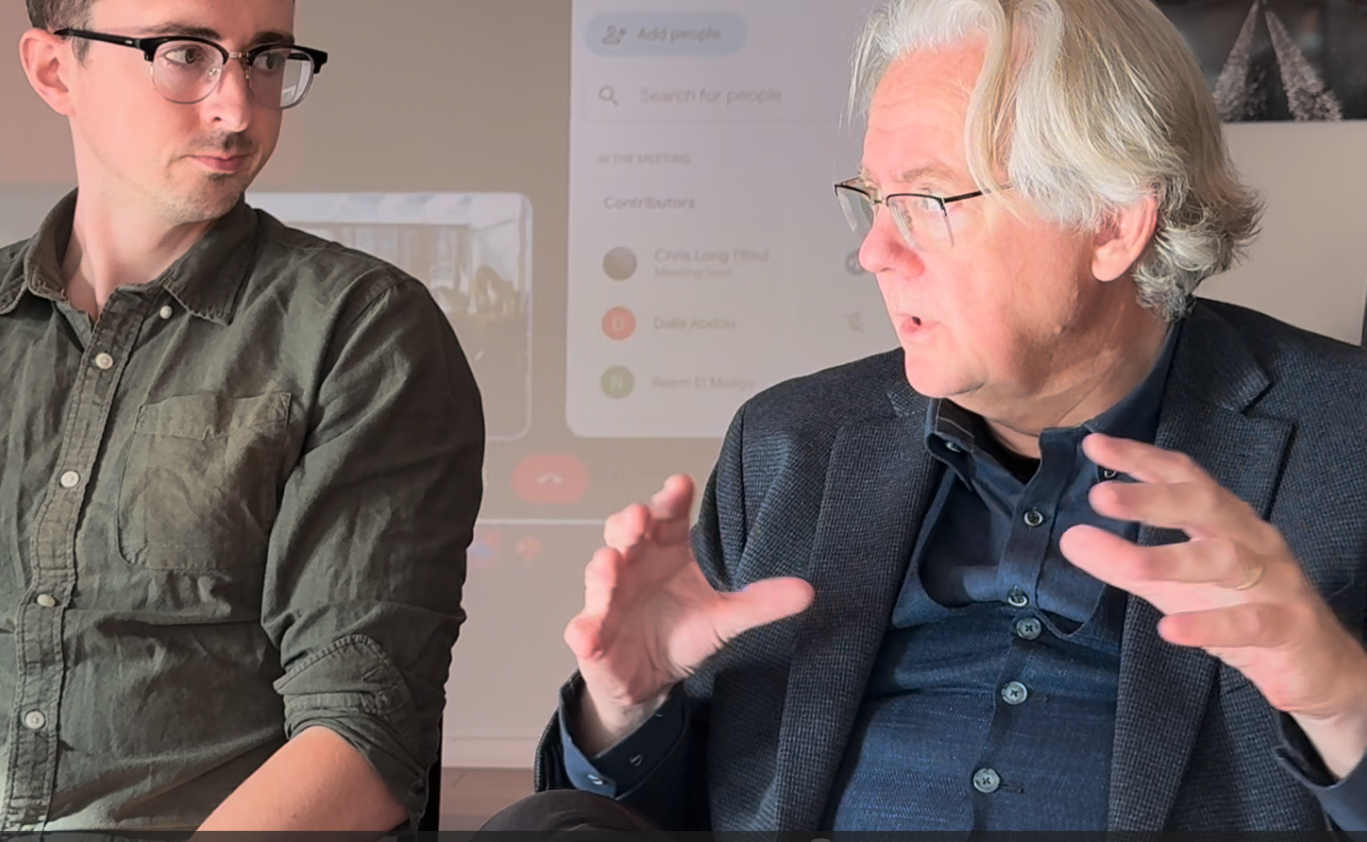
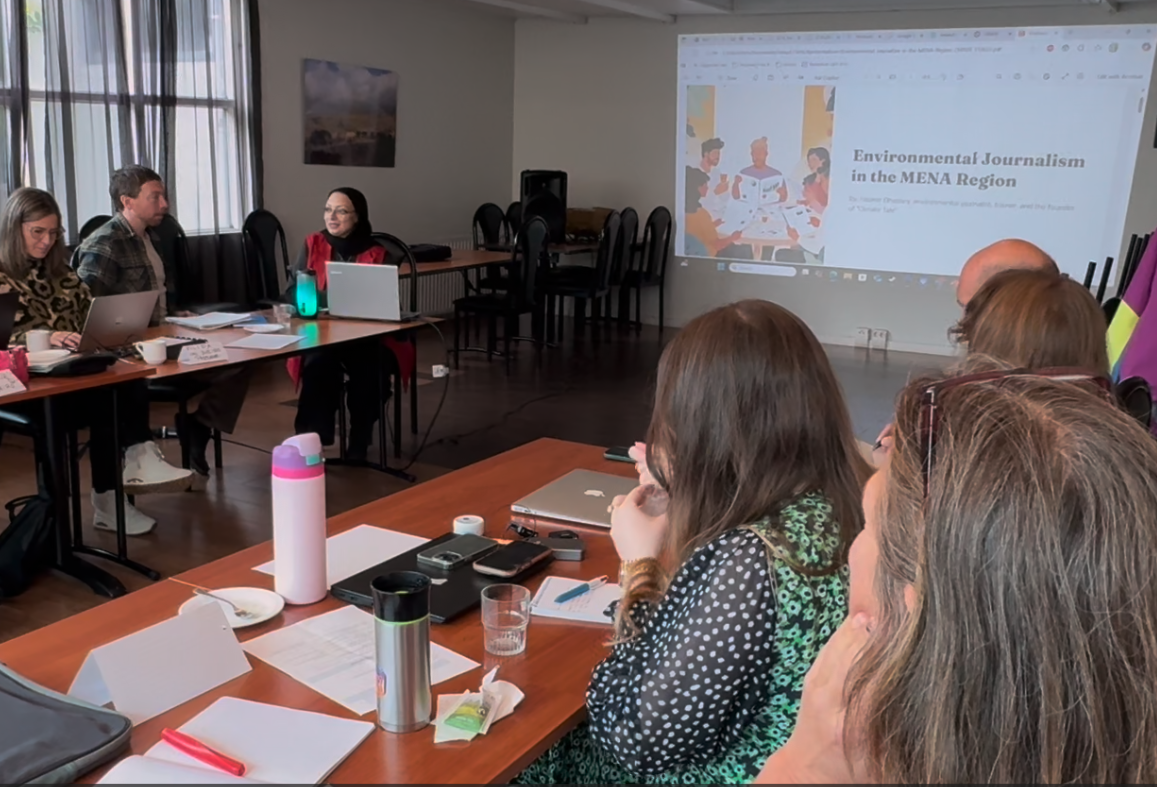
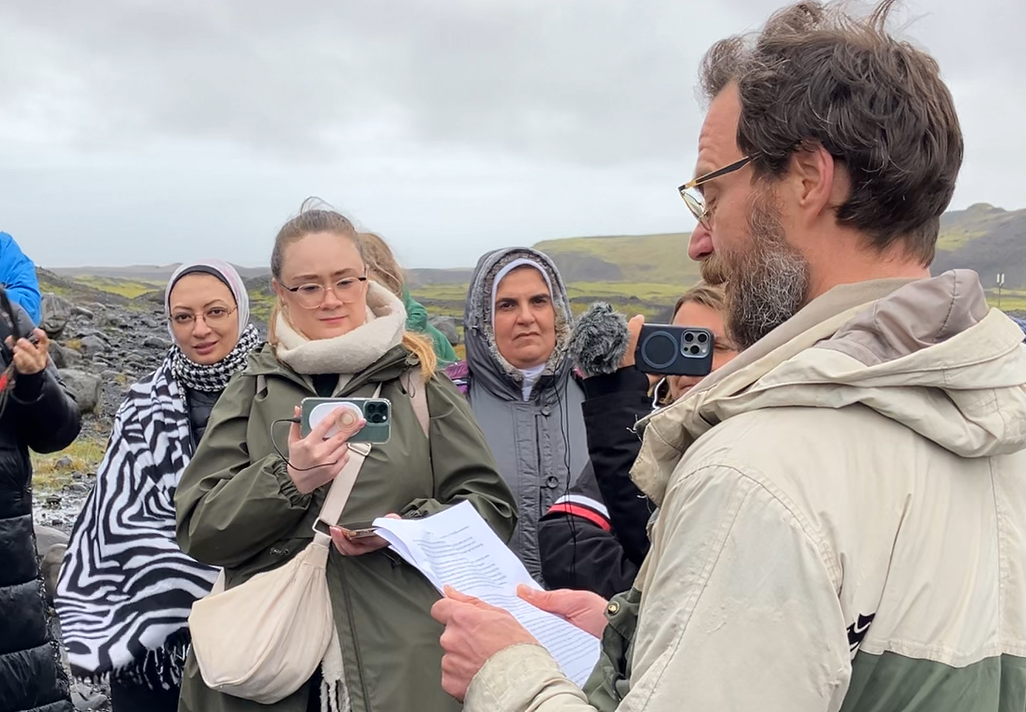
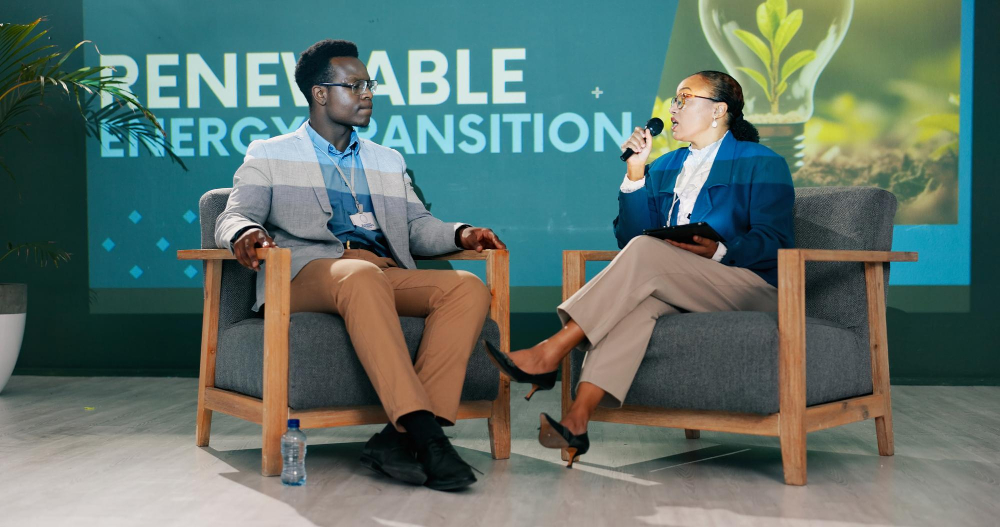
Join the Community of Practice
Connect with peers in journalism, science and communication to exchange knowledge, discuss challenges and co-create better climate communication.
Become a member for free and take part in conversations, events and shared learning.
Support journalists with your expertise
Help strengthen evidence-based climate communication by offering your scientific insights for interviews, fact-checking and background information.
Join our expert database and make your research accessible to journalists across Europe.
Explore
-
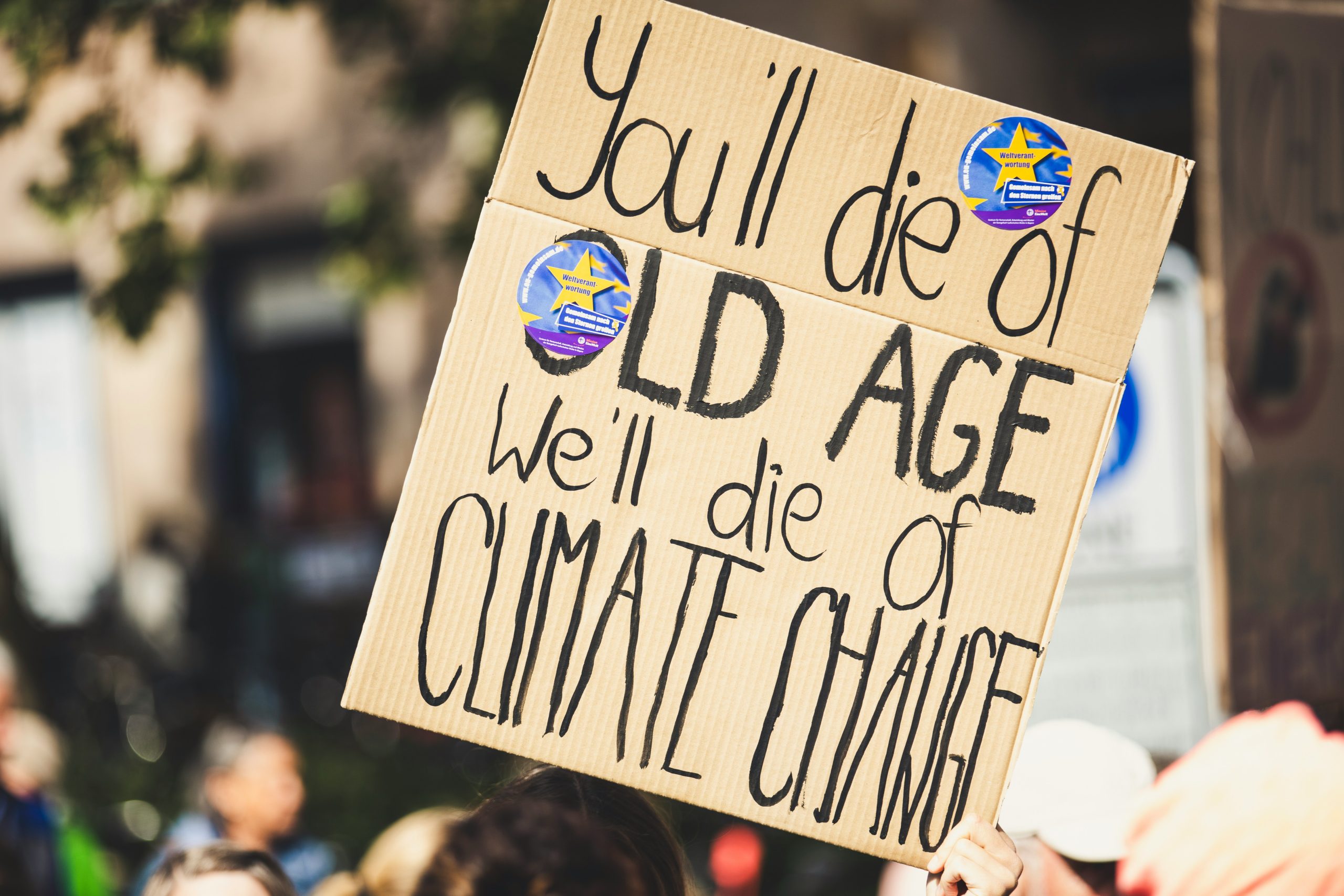
Climate Anxiety: When Concern Can Become Action
Read more: Climate Anxiety: When Concern Can Become ActionClimate change is not only transforming landscapes, ecosystems and economies. It is also changing how people feel. As wildfires, droughts, heatwaves and floods become increasingly present in everyday life, researchers are paying…
-
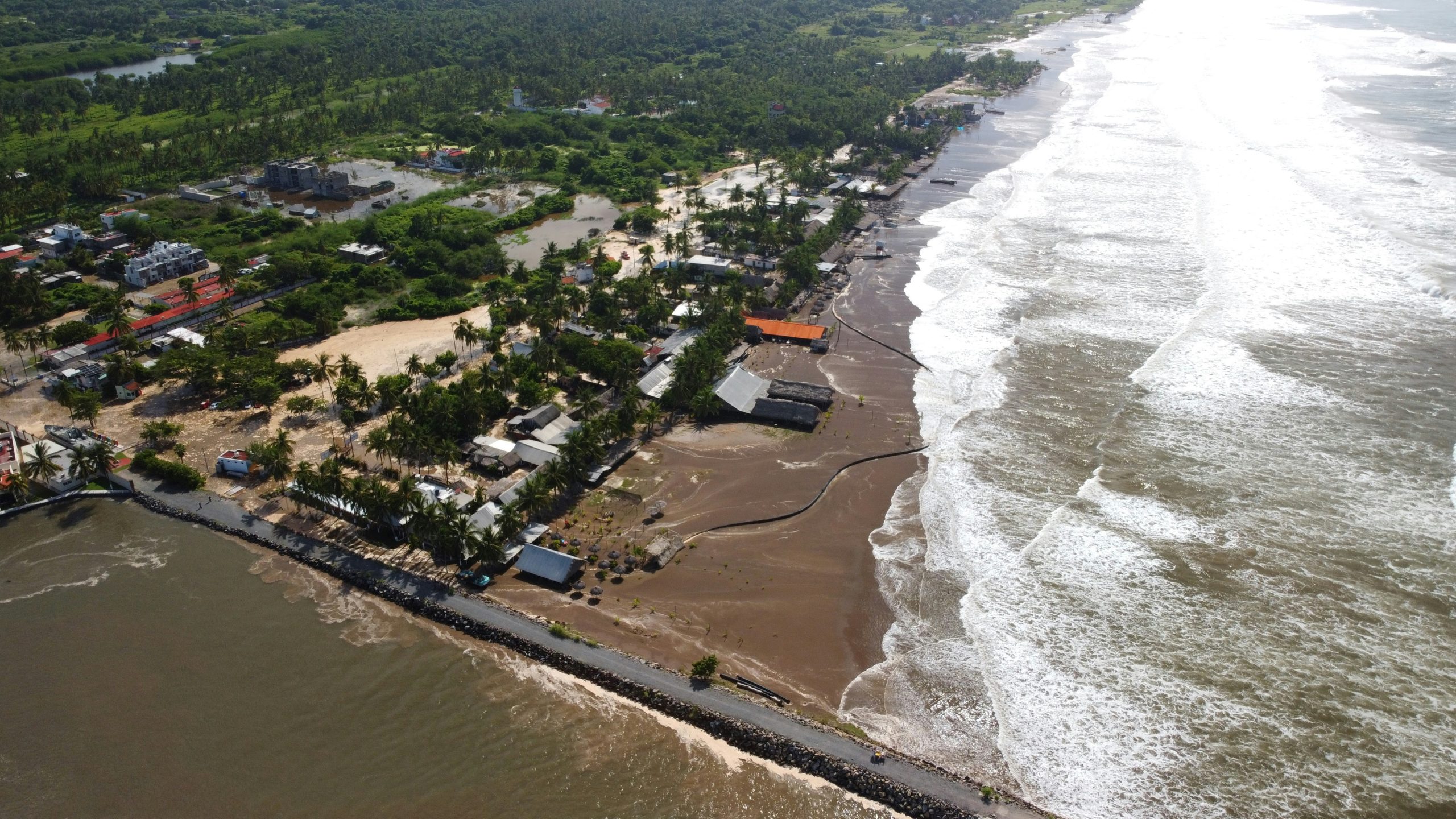
Extreme Weather Congress 2026 – “We know everything, but we do none of the things”
Read more: Extreme Weather Congress 2026 – “We know everything, but we do none of the things”Nearly 1,000 experts gathered in Hamburg from 23 to 25 September to discuss record heat, rising sea temperatures, storm risks and the question of how societies can better prepare for extreme weather.
-
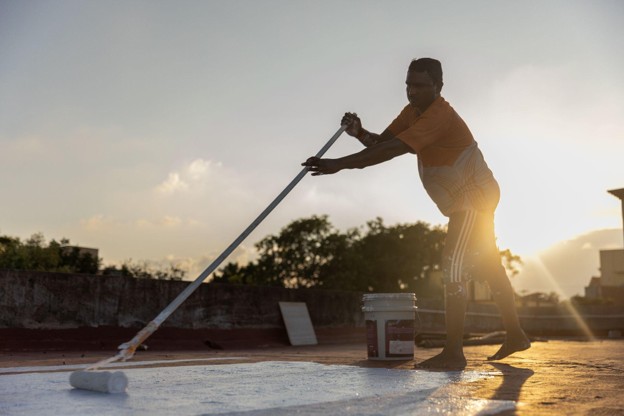
U.N. suggests a hybrid approach to cost-effective global cooling
Read more: U.N. suggests a hybrid approach to cost-effective global coolingUNEP’s Global Cooling Watch report finds that if current trends continue, cooling demands and energy consumption will triple by 2050. Why?
-

How can climate journalism reach a wider audience?
Read more: How can climate journalism reach a wider audience?What do media reports on climate change need if they are to be read and watched? Solutions – that is one answer given by climate journalist Carel Mohn.
-
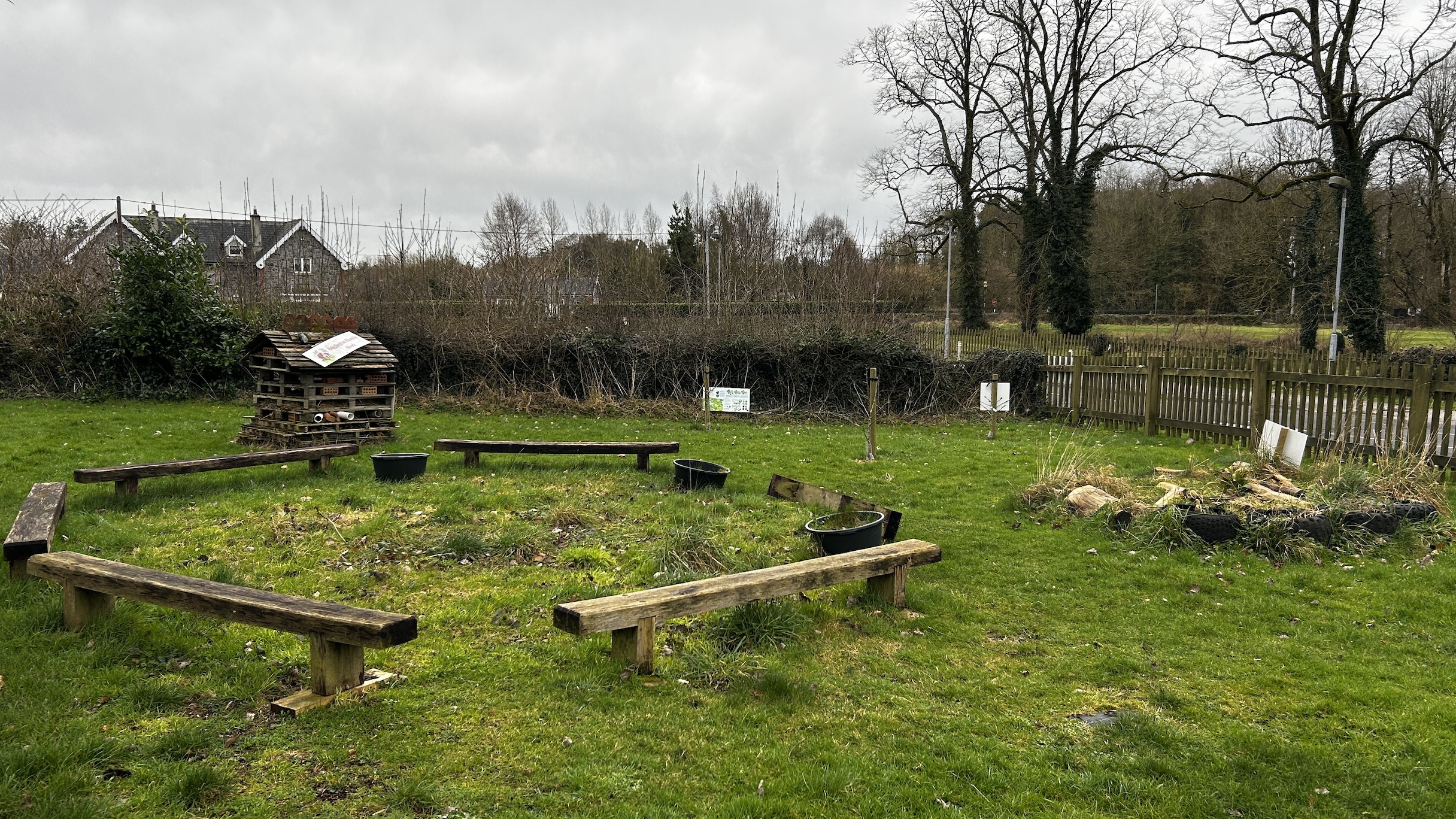
How a small Irish town protects biodiversity
Read more: How a small Irish town protects biodiversityAt first glance, Abbeyleix in County Laois appears to be much like other small Irish towns. It has a museum dedicated to local history, a playground and a handful of bakeries, coffee…
-

From Climate Research to Public Dialogue
Read more: From Climate Research to Public DialogueFrom Climate Research to Public Dialogue: The Science Communication at the University of Aveiro The University of Aveiro (UA) has developed a diverse science communication ecosystem that connects academic research with society.…