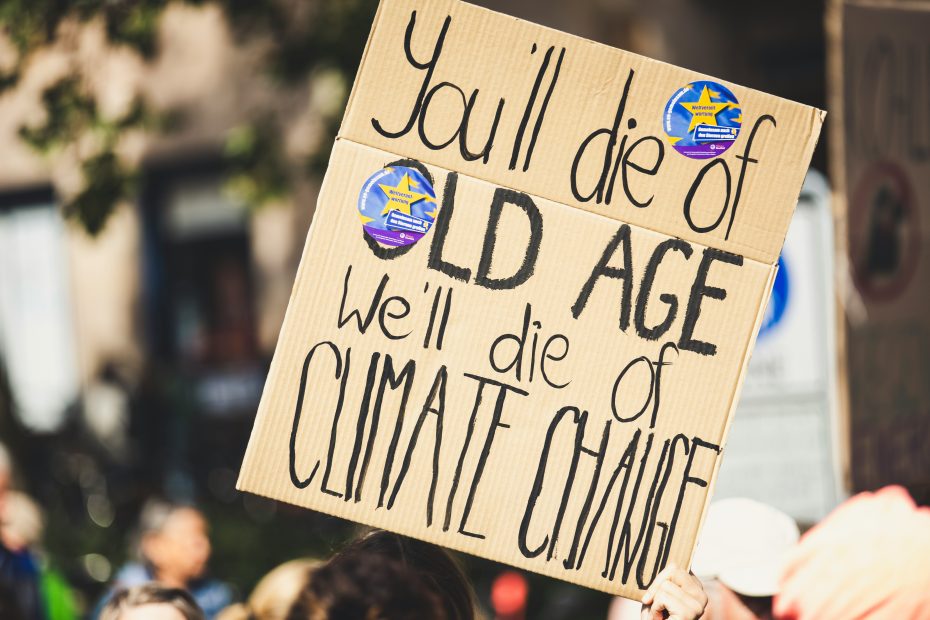
How can climate journalism reach a wider audience?
What do media reports on climate change need if they are to be read and watched? Solutions – that is one answer given by climate journalist Carel Mohn.
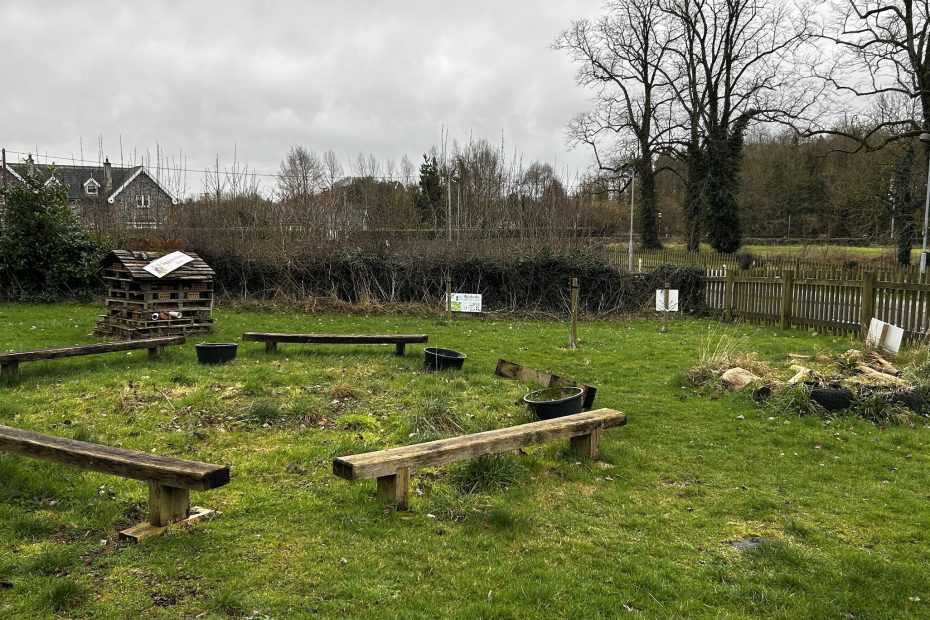
At first glance, Abbeyleix in County Laois appears to be much like other small Irish towns. It has a museum dedicated to local history, a playground and a handful of bakeries, coffee shops and restaurants along one main road.
From Climate Research to Public Dialogue: The Science Communication at the University of Aveiro The University of Aveiro (UA) has developed a diverse science communication ecosystem that connects academic research with society. This ecosystem comprises news articles, audiovisual storytelling, podcasts, and participatory science experiences. By… Read More »From Climate Research to Public Dialogue
The latest report from the World Meteorological Organization (WMO) is a wake-up call: Our climate has completely lost its balance. Experts are warning of a new record-breaking heatwave that will cost not only millions of euros but also human lives. The fact is: The climate crisis is real. It is here, it is affecting us, and yet less and less is being written and said about it.
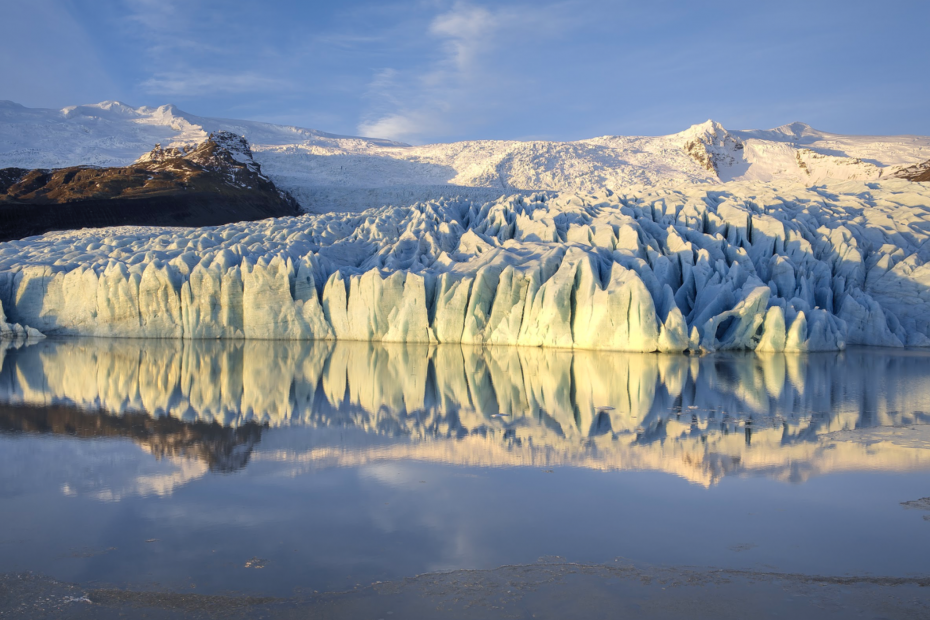
The summer of 2006 marked a major turning point in my life when my family moved to Höfn in Hornafjörður, where I have lived ever since. In hindsight, three things happened more or less simultaneously: First, I had just begun my first large-scale, systematic research on the wild, natural landscapes of Iceland, which led to considerable shifts in the focus of my scholarly work; secondly, I acquired my first proper digital camera, along with a decent collection of lenses; and thirdly, I now had very easy access to extremely beautiful and diverse nature, practically in my own backyard.
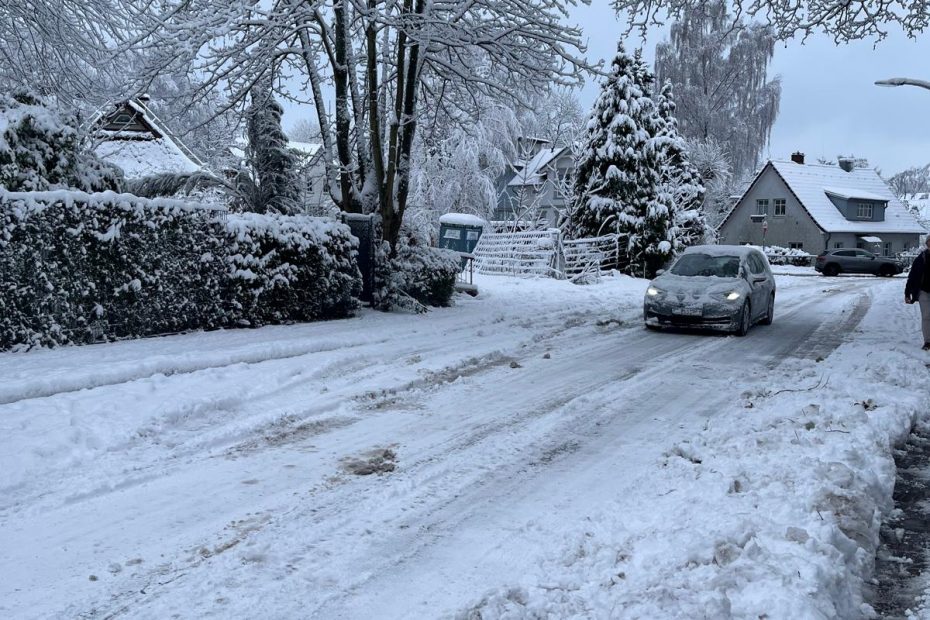
It is one of the coldest winters Germany has seen in recent years, but that is no sign that everything is fine—on the contrary! It is proof that we need to report more and more thoroughly on climate change.
With major geopolitical shifts and economic pressures, it has become evident that a fact-based climate narrative is vital to maintain climate awareness, writes CEEZER-Co-Founder Dr. Carla Woydt.
By Ole M. Sandberg What can we know about uncertainty – and what can’t we? During the LTTA in Iceland someone mentioned how difficult it is to communicate scientific uncertainty to the public, and this is a topic I find crucial. How do we convey… Read More »Embracing Uncertainty and the Unknown in Climate Communication
She is a biochemist and author. Her main topic: trees. In the first online seminar by Media for Future, Harriet Rix (“The Genius of Trees: How trees mastered the elements and shaped the world”, Penguin Books) talked about how she writes about nature, how she… Read More »Online seminar on climate and art – How do you tell the stories about nature?
Austria’s climate is changing faster than the global average. While the summer of last year may have felt mild to some, it was in fact the hottest year on record worldwide. Behind those deceptively cool nights and brief rain showers lies an accelerating crisis — one that is already reshaping Austria’s landscapes, water resources, and daily lives.