
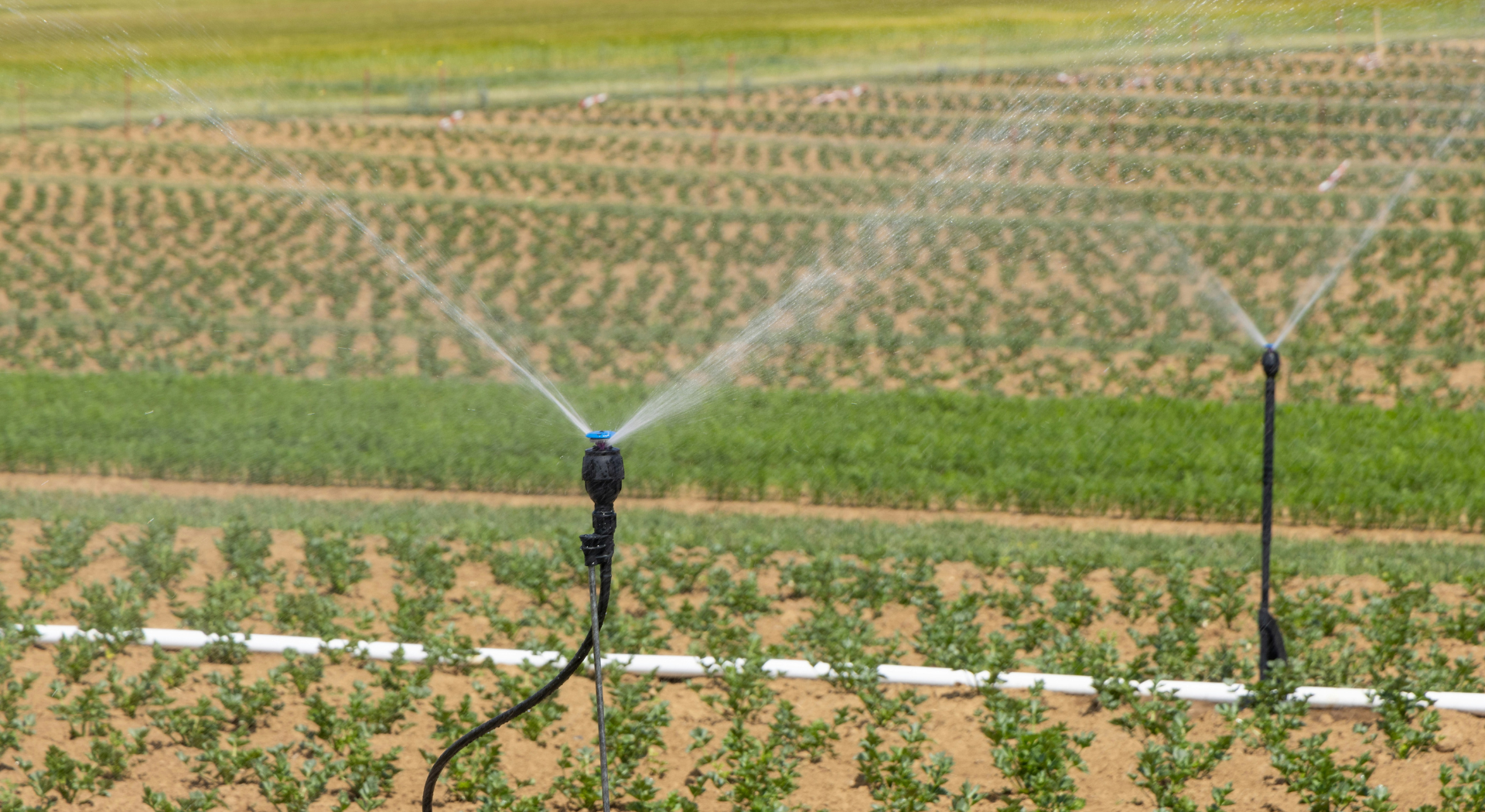
Image by Being Organic in EU on Unsplash
Journalists can build on the strategy of “adding environmental elements to non-climate stories” by updating traditional agricultural reporting. This means moving beyond simple commodity price reports for crops like wheat, olives, and vegetables, to look at the underlying climate drivers. Show how rising temperatures alter growing seasons and require smart irrigation shifts. Explain that although purchasing organic produce may cost more in the short-term, the long-term soil and health benefits are priceless. This approach helps rural audiences see how climate change directly impacts their daily business. It also helps urban audiences understand the reasons behind shifts in crop pricing and make better purchasing choices.
Cross-reference regional agricultural production indices are available via the FAO Regional Office for the Near East and North Africa.